
silver free standing mirror
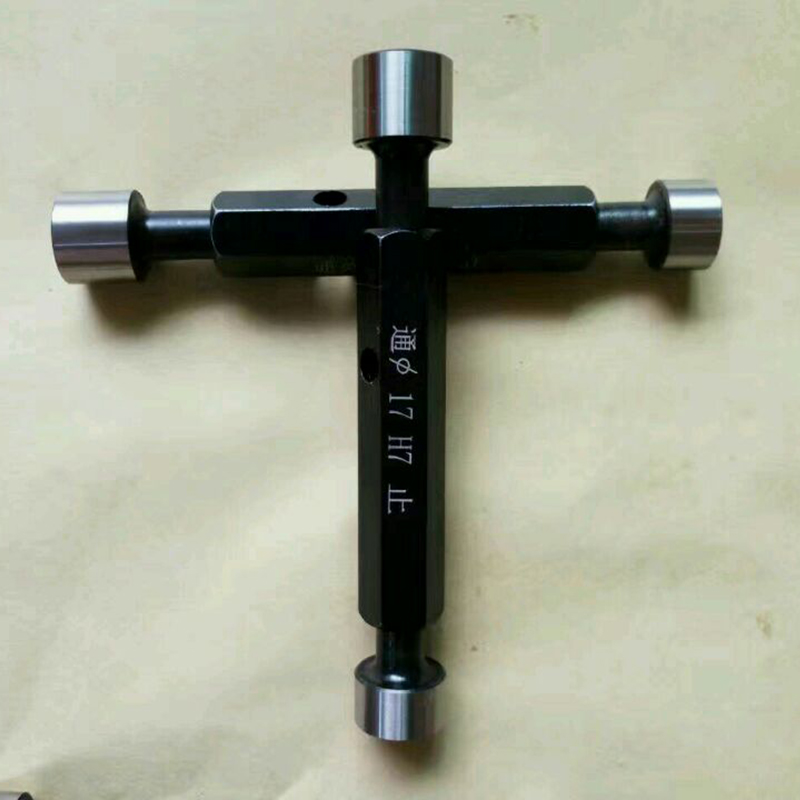
Understanding Inside Bore Gauges The Essential Tool for Precision Measurement In the world of manufacturing and engineering, precision is paramount. One of the key aspects of achieving this precision is the accurate measurement of internal diameters in various components. This is where the inside bore gauge comes into play. This tool is essential in a range of industries, from automotive to aerospace, where tolerances are tight and accuracy is critical. What is an Inside Bore Gauge? An inside bore gauge is a specialized tool designed to measure the internal diameter of a bore, such as that found in pipes, cylinders, and other hollow objects. Unlike calipers, which measure external dimensions, inside bore gauges are specifically engineered to take measurements from within a hole or a cylinder. They often come equipped with dial indicators or digital readouts, allowing for precise measurement with minimal user error. Types of Inside Bore Gauges There are several types of inside bore gauges available on the market, each tailored for different applications 1. Mechanically Operated Gauges These gauges rely on a physical measuring mechanism. They may include a dial indicator connected to internal measuring rods that expand and contract within the bore. The reading is taken from the dial, providing an easy-to-read measurement. 2. Digital Bore Gauges With advancements in technology, digital inside bore gauges have become popular. These devices feature electronic sensors that provide a digital readout of the internal diameter. Digital gauges are often preferred for their ease of use and increased accuracy, as they minimize the risk of human error. 3. Telescoping Gauges These gauges have a unique design that allows them to reach into deep bores. They can be adjusted to fit the diameter of the bore, and once adjusted, they are removed from the bore and measured with external measuring tools, such as calipers or micrometers. 4. Optical Gauges For industries that require extremely high precision, optical measuring systems are available. These can include laser-based technologies that measure internal dimensions without physical contact, further reducing the risk of errors and damage to the component. How to Use an Inside Bore Gauge insize bore gauge Using an inside bore gauge might vary slightly based on the type, but general principles apply across most models 1. Preparation Ensure the bore is clean and free of debris. Any contaminants can affect measurement accuracy. 2. Adjustment For mechanical and telescoping gauges, adjust the gauge to match the expected internal diameter. For digital gauges, simply ensure that it is calibrated properly. 3. Insertion Carefully insert the gauge into the bore, ensuring it is straight and not tilted. This ensures that the measurement is not skewed. 4. Measurement For mechanical gauges, look at the dial indicator and record the measurement. For digital gauges, read the measurement directly from the display. 5. Repeat It is advisable to take multiple measurements at different points within the bore to ensure consistency and account for any irregularities in the internal surface. Importance of Accuracy The importance of using an inside bore gauge cannot be overstated. In industries such as automotive engineering, even a slight deviation in measurement can lead to significant issues, such as marital misalignment or reduced performance of components. By ensuring that the internal dimensions of parts are within specified tolerances, manufacturers can guarantee product reliability and longevity. Moreover, accurate measurements are vital for quality control processes. Many ISO and industry standards require specific tolerances for parts, making inside bore gauges an integral part of any manufacturing operation aiming for certification. Conclusion In conclusion, inside bore gauges are indispensable tools for anyone involved in precision manufacturing or engineering. Their ability to accurately measure internal diameters is fundamental to ensuring quality, performance, and reliability in various applications. As technology evolves, so too do the features and capabilities of these gauges, yet their core purpose remains the same to measure with precision. Understanding how to properly select and use these tools is crucial for any professional aiming to excel in a precision-driven environment.
about
silver free standing mirror
Understanding Metal Ground Anchors Essential Tools for Stability and Security Metal ground anchors, often referred to as earth anchors or tie-downs, are vital components in ensuring the stability and security of various structures and installations. They are widely used in construction, agriculture, and outdoor recreational activities to provide essential support against wind forces, soil erosion, and other environmental challenges. One of the primary purposes of metal ground anchors is to hold structures securely in place. In construction, they are critical for anchoring temporary structures, scaffolding, and heavy equipment. For instance, when erecting a tent for a festival or event, metal anchors can provide the necessary stability to withstand strong winds and adverse weather conditions. This prevents tents from being uprooted or damaged, ensuring the safety of both the structure and the individuals attending the event. In agricultural settings, metal ground anchors are instrumental in securing fencing and other installations . Farmers often use them to stabilize livestock enclosures, protecting animals from escaping or external threats. Additionally, these anchors are beneficial for attaching tarps or coverings for crops, helping to shield plants from harsh weather and securing them against theft. metal ground anchors The design and material of metal ground anchors vary widely, depending on their intended use. Common materials include steel and galvanized steel, known for their durability and resistance to rust and corrosion. Some anchors are designed with a helical shape, allowing for easy installation by screwing them into the ground, while others might require a more traditional installation method, such as driving them into the soil. Installation is a critical aspect of using metal ground anchors. Proper placement and depth will significantly influence their effectiveness. It is essential to assess the soil condition and environmental factors before installation. For loose or sandy soil, deeper anchoring may be necessary, while more compact soil types may require less depth. In conclusion, metal ground anchors are indispensable tools that provide stability and security across many applications. Whether in construction, agriculture, or outdoor events, their proper usage ensures the longevity and safety of various structures. Understanding their importance and best practices for installation can help maximize their effectiveness, making them a worthwhile investment for anyone looking to secure their property against unpredictable elements.
-

High quality industrial productsagement

High quality industrial products
View Details -

Meet the diverse needs of customers

Meet the diverse needs of customers
View Details -

Strict quality control

Strict quality control
View Details -

Top raw materials

Top raw materials
View Details -

Trusted supplier

Trusted supplier
View Details
Our application

news and information

Versatile Welding Table Clamps for Secure and Efficient Metalworking Projects and Fabrication Tasks
The Importance of Welding Table Clamps in Metalworking Welding is a fundamental process in metalwork
Valve Selection Guide_ Differences and Applications of Gate Valves and Globe Valves
When navigating the world of industrial valves, understanding the nuances between various types can
Water Pressure Regulation Valve for Efficient Flow Control in Hydraulic Systems
Understanding Water Pressure Control Valves Water pressure control valves are essential components i
 English